
Environmental crisis in Bolivia: layoffs and dismissals exacerbate conflicts in protected areas
Source: MONGABAY Platform
Violation of the right to work and due process: Mass dismissals of directors and park rangers without clear processes, even notified via WhatsApp, revealing illegal and arbitrary practices.
Institutional harassment and persecutionAdministrative processes and sanctions are used as a pressure mechanism against those who report illegal mining and wildlife trafficking.
Violation of freedom of expression and participation: By penalizing public complaints about mining, fires, and jaguar fang trafficking, the possibility of making environmental crimes visible is restricted.
Violation of the right to defend the environment as a common good: Actions against park rangers weaken the protection of natural areas, indirectly affecting local communities and society.
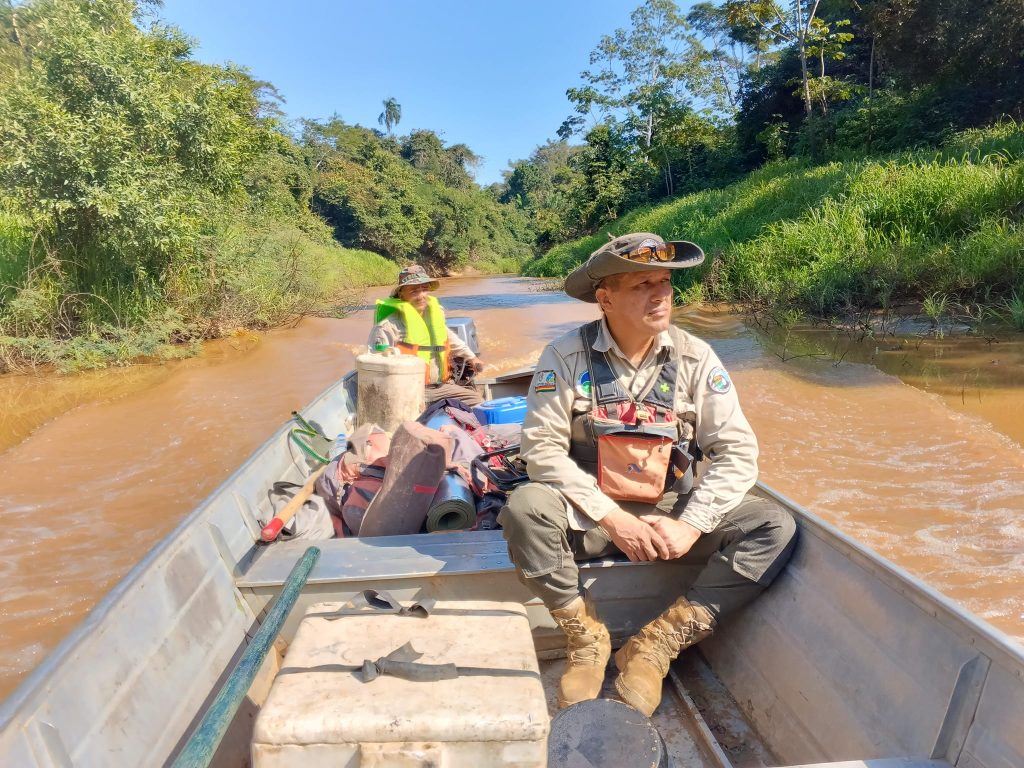
Marcos Enrique Uzquiano Howard
Park ranger and head of Protection of the Beni Biological Station Biosphere Reserve.
(Violated Defender)
(January 21, 2025)
At the beginning of 2025, the Bolivian environmental sector was experiencing a new crisis marked by the dismissal of several directors of protected areas and the director of the National Service of Protected Areas (SERNAP). Among those affected was Marcos Uzquiano, a renowned park ranger and activist, who had repeatedly denounced illegal mining and wildlife trafficking in parks such as Madidi. His dismissal, along with that of other directors, generated strong opposition from environmental organizations and park rangers themselves, who denounced harassment and demanded a transparent audit of the institution.
Following public pressure and a legal appeal by the Ombudsman's Office, Uzquiano was reinstated in his position, in a ruling that the courts hailed as historic for environmental protection and the defense of human rights defenders. However, administrative proceedings against him continue, and similar cases, such as that of Guido García, reveal a pattern of vulnerability among those responsible for safeguarding protected areas. The conflict highlights how mining, both legal and illegal, remains the primary source of tension between park rangers and political authorities in Bolivia.